


You wake up on a cold morning, pull back the covers, and try to get out of bed. But before you can stand properly, there’s that familiar stiffness in your lower back. You move a little slower, hoping the discomfort will ease once you get going.
If you deal with recurring back pain, you may have noticed that colder days seem to make it worse. Even simple things like bending to put on your shoes or getting up after sitting for a while can feel uncomfortable.
But is the weather really responsible, or is something else happening?
Understanding why your back feels different during colder months can help you find ways to stay comfortable without putting your daily activities on hold.
Why Does Your Back Hurt More When It’s Cold?
You might blame the temperature whenever your back starts aching, but the connection isn’t always that simple.
Cold weather may contribute to muscle tightness, while spending more time indoors can mean you’re moving less than usual. And when you stay in one position for too long, stiffness can become more noticeable.
Still, cold weather doesn’t necessarily cause back pain.
Understanding the causes of lower back pain can help you recognize why an existing problem might feel more uncomfortable when your routine changes.
Muscle strain, prolonged sitting, and certain spinal conditions can all contribute to discomfort. Stress, sleep quality, and activity levels may also affect how you experience pain.
If your symptoms keep returning, it’s worth paying attention to when they happen and what makes them better or worse.
4 Ways to Manage Lower Back Pain During Cold Weather
You don’t have to spend the entire winter avoiding movement. A few practical adjustments may help you feel more comfortable throughout the day.
1. Use Warmth to Ease Stiffness
There’s a reason a warm shower feels especially good when your back is aching.
Heat can help relax tense muscles and temporarily ease stiffness, making everyday movement feel a little easier.
You could try a warm compress or heating pad on your lower back for short periods. Just protect your skin, follow the product instructions, and avoid sleeping with a heating pad switched on.
When heading outside, dress warmly and keep your lower back covered.
Warmth won’t necessarily address the underlying causes of lower back pain, but it can be a useful part of your lower back pain relief routine.
2. Keep Moving, Even When You’d Rather Stay Under the Covers
When your back feels stiff, your first instinct might be to sit still until the discomfort passes.
But spending too much time in one position can make things worse.
Try walking around your home for a few minutes, stretching gently after a warm shower, or taking regular breaks if you work at a desk.
You don’t need an intense workout. The goal is simply to keep your body moving comfortably.
If you’re unsure which exercises are appropriate, a healthcare professional can help you choose movements suited to your condition.
And if a particular stretch causes sharp or increasing pain, stop rather than pushing through it.
3. Don’t Ignore the Stress You’re Carrying
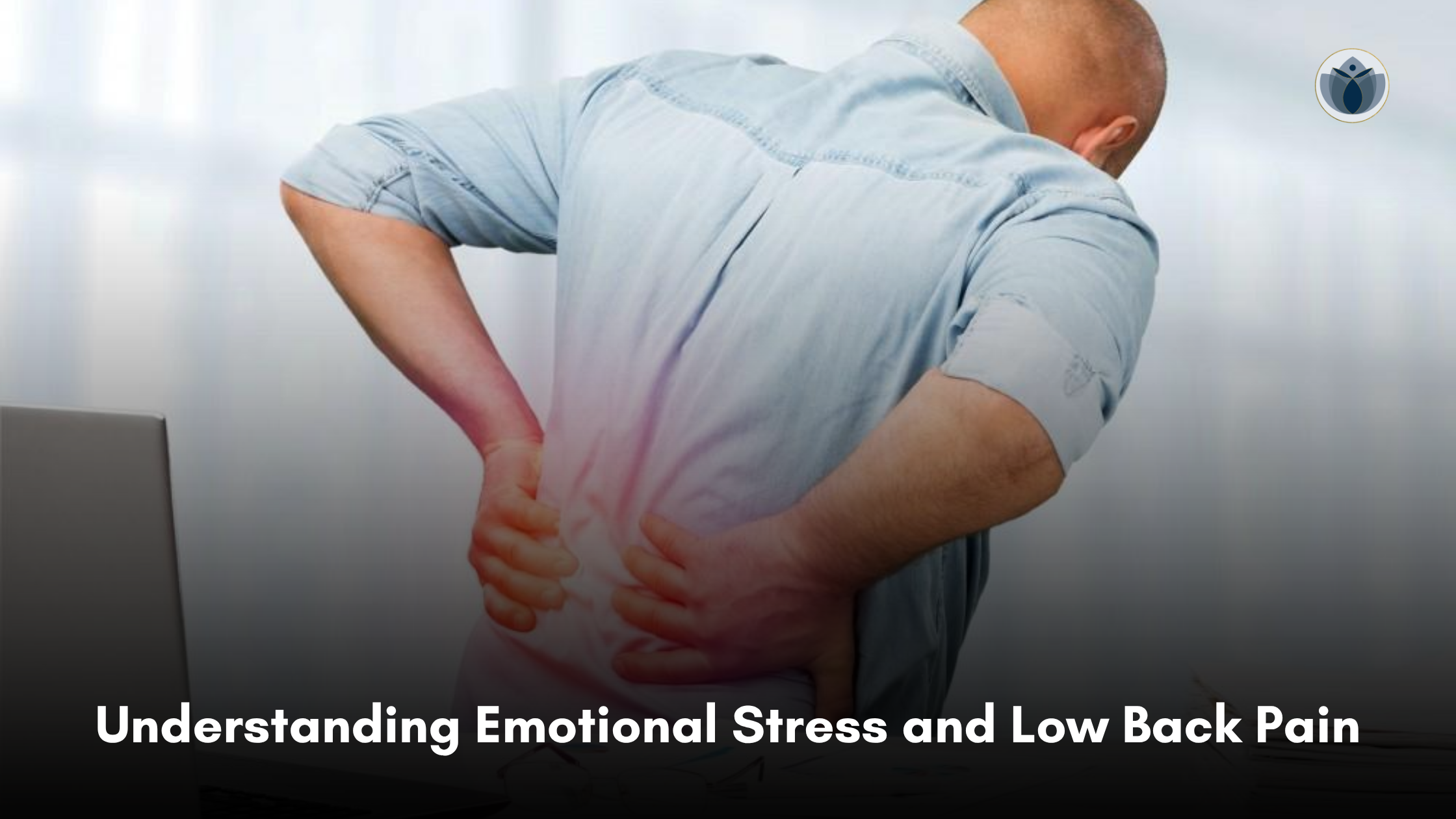
Have you ever noticed your back aching more after a particularly stressful day?
Maybe you’ve been sitting through difficult meetings, worrying about work, or struggling to get enough sleep.
Stress can contribute to muscle tension and influence how your body experiences pain.
That’s why exploring the link between emotional stress and low back pain may help you look at your discomfort from another perspective.
This doesn’t mean your pain is imaginary or that every back problem has an emotional cause.
It simply means your physical and emotional well-being can influence each other.
Try making time for activities that help you unwind, whether that’s slow breathing, meditation, gentle movement, or spending time with people you enjoy.
If you’re dealing with persistent chronic pain symptoms, professional guidance can help you understand what may be contributing to them.
4. Make Your Daily Routine Easier on Your Back
Sometimes, it’s the little things you do every day that make the biggest difference.
Think about how you sit while working, how you lift objects, or whether you spend hours on the couch without changing positions.
You can make a few simple adjustments:
- Support your back: Sit comfortably with your feet supported and change positions regularly.
- Lift carefully: Keep objects close to your body and avoid twisting while carrying heavy items.
- Adjust your sleeping position: Use pillows where needed to help you feel more supported.
- Take movement breaks: Avoid staying seated or lying down for long periods when you’re able to move comfortably.
These habits can support your lower back pain treatment, especially when combined with advice suited to your specific needs.
If your pain persists or worsens, seek medical assessment. New bladder or bowel problems, numbness around the groin, or significant leg weakness require urgent medical attention.
Give Your Back the Attention It Deserves
Cold mornings may make you want to slow down, but recurring back pain shouldn’t have to dictate how you spend your day.
You can start by paying attention to what your body needs, keeping yourself comfortably active, and recognizing when stress or daily habits might be adding to your discomfort.
You don’t need to wait until the pain becomes unbearable before taking your well-being seriously.
If you’re ready to explore a more holistic approach to back pain, Jacqueline M. Kane’s Happy Low Back offers an approach that considers the relationship between physical discomfort, emotional stress, and overall well-being.
You deserve to move through every season with greater comfort and confidence, rather than simply getting used to the pain.
Frequently Asked Questions
Why does cold weather make lower back pain worse?
Cold temperatures may contribute to muscle tightness, while reduced activity can increase stiffness. However, the relationship between cold weather and back pain varies from person to person.
How can you relieve lower back pain during winter?
Try gentle movement, warm showers, heat therapy, regular breaks from sitting, and comfortable sleeping positions. Seek professional advice if discomfort persists.
Can stretching help with lower back pain?
Gentle stretching may improve flexibility and ease stiffness. Choose movements appropriate for your condition and stop if they increase your pain.
Can stress make back pain worse?
Yes. Stress can increase muscle tension and affect pain perception. Managing stress alongside appropriate physical care may help you cope with recurring discomfort.