

Have you ever had one of those days where everything feels fine on the outside, but inside, your body feels… tense?
And even when you’re doing absolutely nothing stressful, your lower back’s been aching, maybe your hips feel tight, or it’s just hard to fully relax. Ever wondered why that happens?
What if that tension isn’t physical at all?
What if your body is quietly holding onto something your mind has pushed aside?
Your psoas muscle is known for doing just that. It’s your body’s silent storage room. The place where years of stress, fear, and emotional weight can pile up… without you even realizing it.
Sounds strange? Maybe. But once you understand how this one muscle works, so many things will suddenly make sense.
Let’s learn more about this muscle, how it works, and the role of psoas in holding emotional trauma and stress.
What Is the Psoas & Why Does It Store Emotional Trauma?
The psoas (pronounced so-az) is a deep muscle that lives in your core. It runs from your lower spine, through your pelvis, and connects to your thigh bones.
It plays a super important role in basic everyday things like:
- Walking
- Standing up
- Sitting down
- Even breathing deeply
When you experience a stressful or traumatic event, your nervous system kicks in to protect you.
However, your body doesn’t always realize when the danger has passed. Especially with chronic stress or unresolved emotional pain, your psoas can remain in that “braced for impact” state, long after the actual threat is gone.
Over time, this creates chronic tension. And because the psoas is so central to your physical and emotional balance, that stored tension can ripple out into other areas of your life, affecting your posture, your mood, and even your sense of safety in the world.
What Are Some Signs Your Psoas Might Be Holding Emotional Tension?
- Persistent hip or lower back discomfort (without a clear injury)
- Feeling emotionally drained or “on edge” all the time
- Shallow breathing, especially during stress
- Digestive issues or tension in the belly area
- Trouble fully relaxing, even during rest or sleep
- Feeling like you’re “bracing” yourself all the time
How to Release Emotional Tension from the Psoas
Practice Gentle Somatic Movement
If your body’s been holding onto tension for a while, intense workouts might actually make things worse. Instead, think slow, mindful movement—like rocking gently side to side while lying on your back. The goal here isn’t to stretch hard, it’s to help your body feel safe enough to relax.
Try Calming Yoga
You don’t need to be a yoga pro. Just lying on your back with your knees bent (Constructive Rest) or doing legs-up-the-wall can help your psoas relax. These poses signal to your body that it’s okay to let go. The slower and more supported, the better.
Get Support From Bodywork Pros
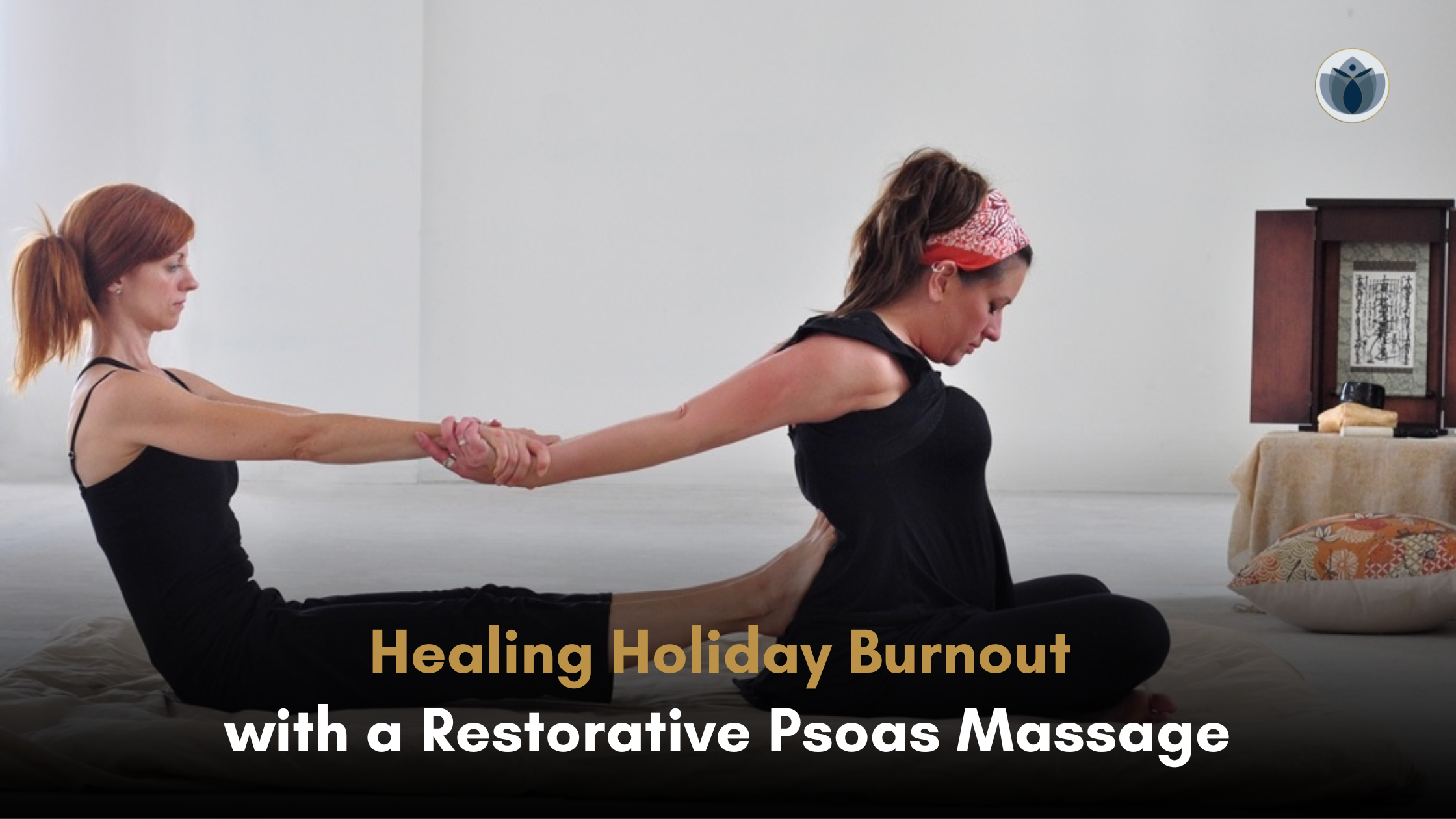
If you’re open to it, contact Jacqueline Kane, a professional psoas massage therapist. She will help you release built-up emotional stuff with expert hands that understand how deeply the psoas holds tension. Jacqueline uses gentle, trauma-informed techniques that honor your body’s pace and boundaries, so you feel safe throughout the process.
Use Grounding Techniques When You Feel “Off”
Sometimes, the psoas stays tight because your nervous system doesn’t feel safe. Try grounding: walk barefoot on grass, sit with your feet flat and feel the floor, or even just notice five things around you. It sounds simple, but it helps your body come back to the present.
Practice Mind-Body Awareness
Pay close attention to how emotions and physical sensations show up together in your body. Noticing subtle feelings of tightness or discomfort without trying to change them helps your nervous system feel safe. This awareness can gradually release tension stored in the psoas by breaking the cycle of stress and muscle bracing.
Everything Considered
The psoas holds more than just tension; it carries old emotions, unspoken fears, and stress the mind may have long forgotten. Healing it doesn’t require anything big, just small, gentle steps: deeper breaths, slower movements, more moments of stillness.
With time and care, the body begins to soften. That tightness starts to ease. And slowly, a sense of lightness returns. There’s no need to rush the process. What matters most is creating a space where the body feels safe enough to let go. Because when the body feels safe, healing happens quietly, naturally, and in the most beautiful way.
If this resonated with you and you’re looking for a supportive space to continue your healing journey, you’re warmly invited to join our Healing Circle. It’s a safe, heart-led community where we explore somatic practices, emotional release, and the deeper wisdom of the body, together.