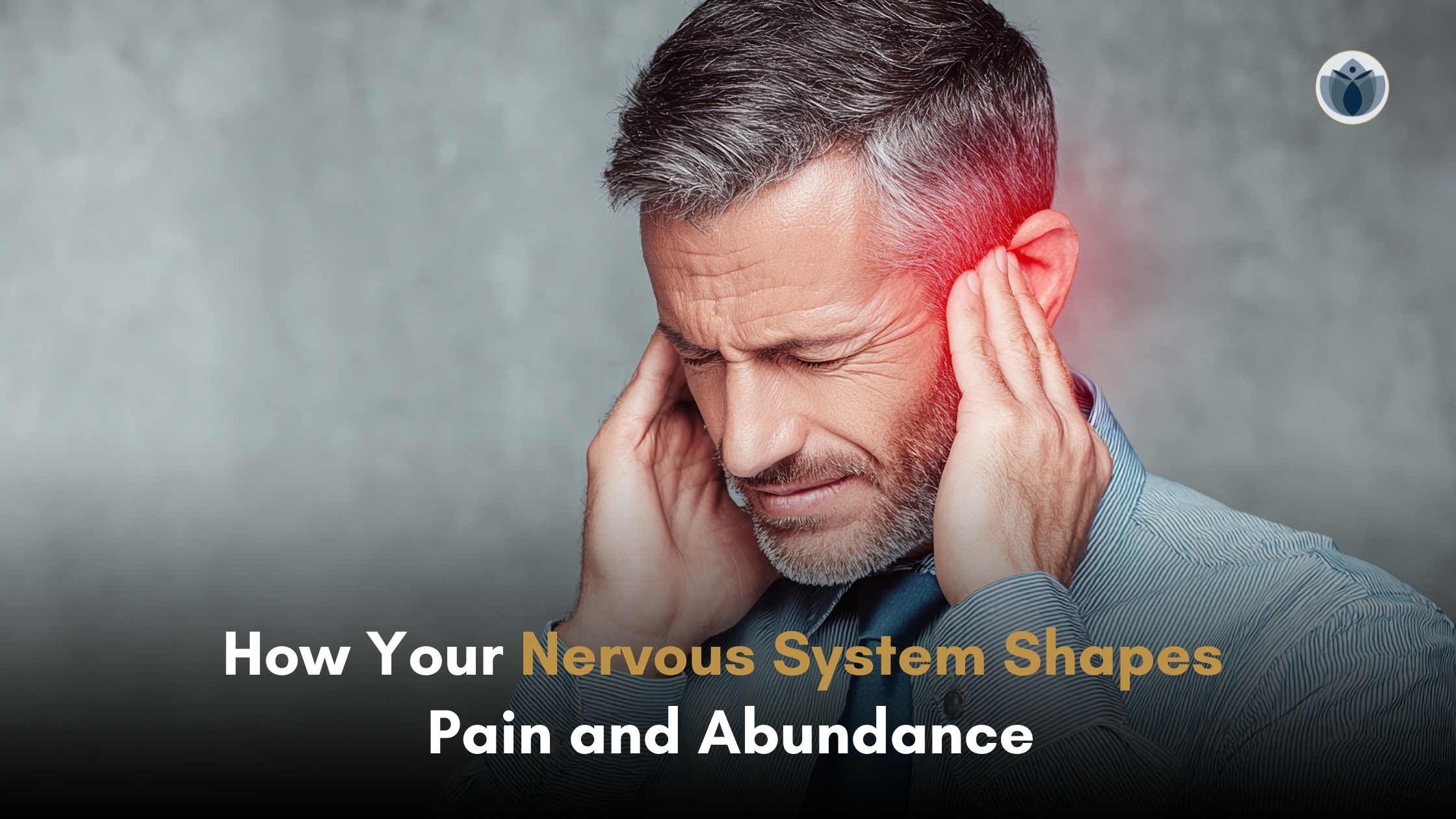

Stress doesn’t always show up as something obvious.
Sometimes it’s not the racing thoughts or the sleepless nights.
Sometimes it’s the tight jaw you’ve had for years, the shallow breathing, the constant fatigue, or the feeling that your body just won’t fully relax, no matter how much rest you get.
This is because stress is not just mental. It lives in the body.
And that’s where Bowen Therapy offers something profoundly different.
In this article, we’ll explore how to clear the ancestral blocks sabotaging your 2026 intentions, how it supports deep stress relief, and why it can help release tension you didn’t even know you were holding.
Stress Is More Than a Mental Experience
Most people think of stress as a mental or emotional state. But stress has a physical footprint.
When your body perceives threat, whether emotional, physical, or psychological, it activates the fight or flight response. This response is designed to protect you in short bursts. But modern life keeps it switched on far longer than nature intended.
Deadlines. Trauma. Emotional suppression. Chronic overwhelm.
Over time, the body adapts by holding tension. Muscles tighten. Breathing shortens. The nervous system stays on high alert. This is where the mind body connection becomes impossible to ignore.
You may “feel fine” mentally, yet your body is exhausted.
Trauma Stored in the Body: What That Really Means
There’s a growing understanding in both neuroscience and somatic therapy that trauma stored in the body doesn’t always come from major events. It can be:
- Prolonged emotional stress
- Childhood patterns of suppression
- Repeated minor shocks to the nervous system
- Long-term anxiety or burnout
When stress isn’t processed fully, the body holds onto it as protective tension. This is why talk therapy alone doesn’t always resolve chronic stress symptoms.
Your body needs to feel safe enough to let go.
Bowen Therapy works directly with this principle.
What Is Bowen Therapy?
Before exploring its effects, it helps to understand what Bowen therapy is used for.
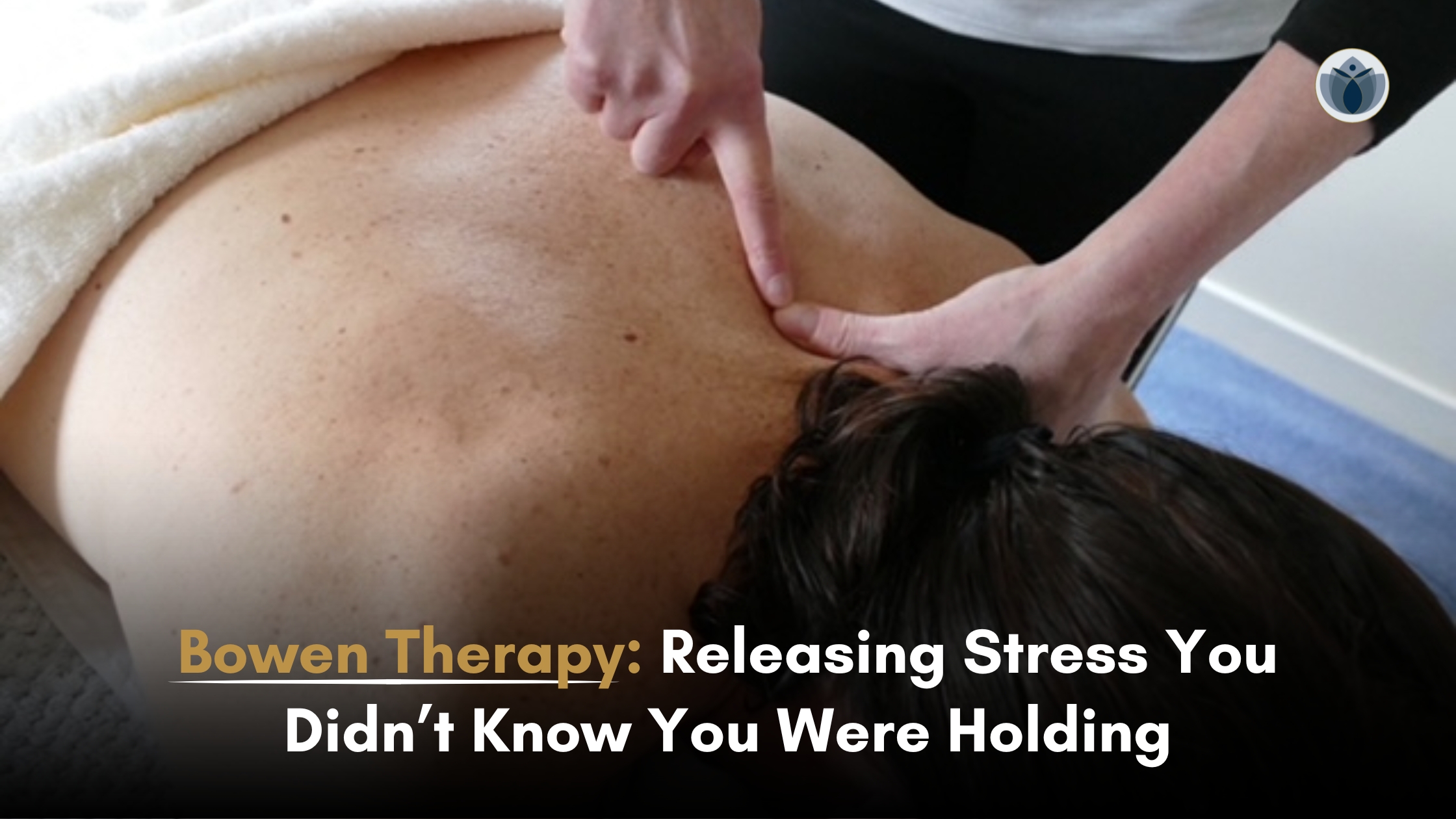
Bowen Therapy is a gentle, hands-on bodywork technique that uses precise rolling movements over muscles, tendons, and fascia. These moves are done in short sequences, with pauses in between to allow the body to respond.
Unlike forceful massage or manipulation, Bowen Therapy communicates with the nervous system.
Its goal is not to “fix” the body, but to remind it how to reset itself.
How Bowen Therapy Helps Release Stress
1. It Switches Off the Fight-or-Flight Mode
One of the primary Bowen therapy benefits is its ability to calm the nervous system.
By sending gentle signals through the fascia, Bowen Therapy encourages the body to move out of the fight or flight response and into the parasympathetic “rest and repair” state.
This is where true healing happens.
Many clients report feeling deeply relaxed not just mentally, but physically, sometimes for the first time in years.
2. It Supports Emotional Tension Release
Stress isn’t just physical, it’s emotional.
During Bowen sessions, it’s common for people to experience spontaneous emotional tension release. This may show up as:
- A sudden sense of relief
- Deep sighs or yawning
- Emotional clarity
- Tears without sadness
This doesn’t mean something is “wrong.” It means the nervous system finally feels safe enough to let go.
Yes, Bowen therapy for stress can release emotions stored deep in the body without reliving or re-traumatizing experiences.
3. It Resets the Mind-Body Connection
When stress becomes chronic, the mind body connection often becomes fragmented. You may ignore physical signals or feel disconnected from your body entirely.
Bowen Therapy gently restores communication between the brain and body, allowing your system to self-regulate again.
This reconnection is subtle, but powerful, and long-lasting.
4. It Works With Trauma Stored in the Body, Gently
Because Bowen Therapy doesn’t force release, it’s particularly effective for those with trauma stored in the body.
Rather than overwhelming the nervous system, Bowen Therapy respects the body’s pace. This is why many people find it safer than aggressive bodywork when dealing with stress or trauma patterns.
Bowen Therapy Benefits Beyond Stress
While this article focuses on stress relief, it’s important to understand the broader Bowen therapy benefits, including support for:
- Chronic pain and tension
- Fatigue and burnout
- Anxiety and emotional overwhelm
- Digestive issues linked to stress
- Sleep disturbances
Stress is often the root cause behind these symptoms, and Bowen Therapy addresses it at the nervous system level.
What to Expect After a Bowen Session
Many people ask: What not to do after Bowen?
After a session, it’s important to:
- Avoid strenuous exercise for 24–48 hours
- Drink plenty of water
- Allow time for rest and integration
- Avoid other bodywork immediately
Your body continues to process and rebalance after the session. Less interference allows deeper results.
How Often Should You Do Bowen Therapy?
So, how often should I do Bowen therapy?
This depends on your goals and stress levels:
- Acute stress: weekly sessions initially
- Chronic stress: every 1–2 weeks
- Maintenance: once a month or as needed
Because Bowen Therapy works cumulatively, consistency matters more than intensity.
The True Goal of Bowen Therapy
People often ask, what is the goal of Bowen therapy?
The goal is not just symptom relief.
The goal is nervous system regulation, helping your body remember how to relax, adapt, and heal itself.
This is why Bowen therapy for stress often creates shifts that feel deeper than relaxation alone.
What to Wear for Bowen Therapy
Wondering what to wear for Bowen therapy?
Wear light, comfortable clothing such as:
- Loose tops
- Soft pants or leggings
- No heavy belts or restrictive garments
Bowen Therapy is typically performed over clothing.
Can Bowen Therapy Release Emotional Stress?
A very common question is: Can Bowen therapy release emotional stress?
Yes, absolutely.
Because emotional stress is often stored physically, Bowen Therapy’s effect on the nervous system and fascia allows for natural emotional tension release without conscious effort.
Many people leave sessions feeling lighter, calmer, and more grounded, without needing to analyze or talk through anything.
FAQs
Does Bowen therapy help with stress?
Yes. Bowen Therapy helps calm the nervous system, reduce the fight or flight response, and support deep relaxation and emotional release.
What not to do after Bowen?
Avoid intense physical activity, drink water, and allow your body time to integrate the session.
How often should I do Bowen therapy?
Weekly or bi-weekly sessions are common at first, with maintenance sessions as needed.
What is the goal of Bowen therapy?
The goal is to restore balance, nervous system regulation, and the body’s natural healing response.
What to wear for Bowen therapy?
Loose, comfortable clothing is ideal.
What is Bowen therapy used for?
Bowen Therapy is used for stress, pain, emotional tension, nervous system regulation, and overall wellbeing.
Can Bowen therapy release emotional stress?
Yes. Bowen Therapy supports safe, natural emotional release stored in the body.
Final Thoughts
Stress doesn’t always announce itself.
Sometimes it hides in the body, quietly shaping how you breathe, move, and feel.
Bowen Therapy offers a gentle yet powerful way to release the stress you didn’t even know you were holding, by working with your nervous system, not against it.
If you’ve tried everything and still feel tense, exhausted, or disconnected, this may be the missing piece your body has been waiting for.
Jacqueline’s private coaching is a dedicated space for this exact energetic clearing. Together, you’ll safely identify your unique inherited blocks, release them, and build 2026 intentions that are fully, powerfully your own.